
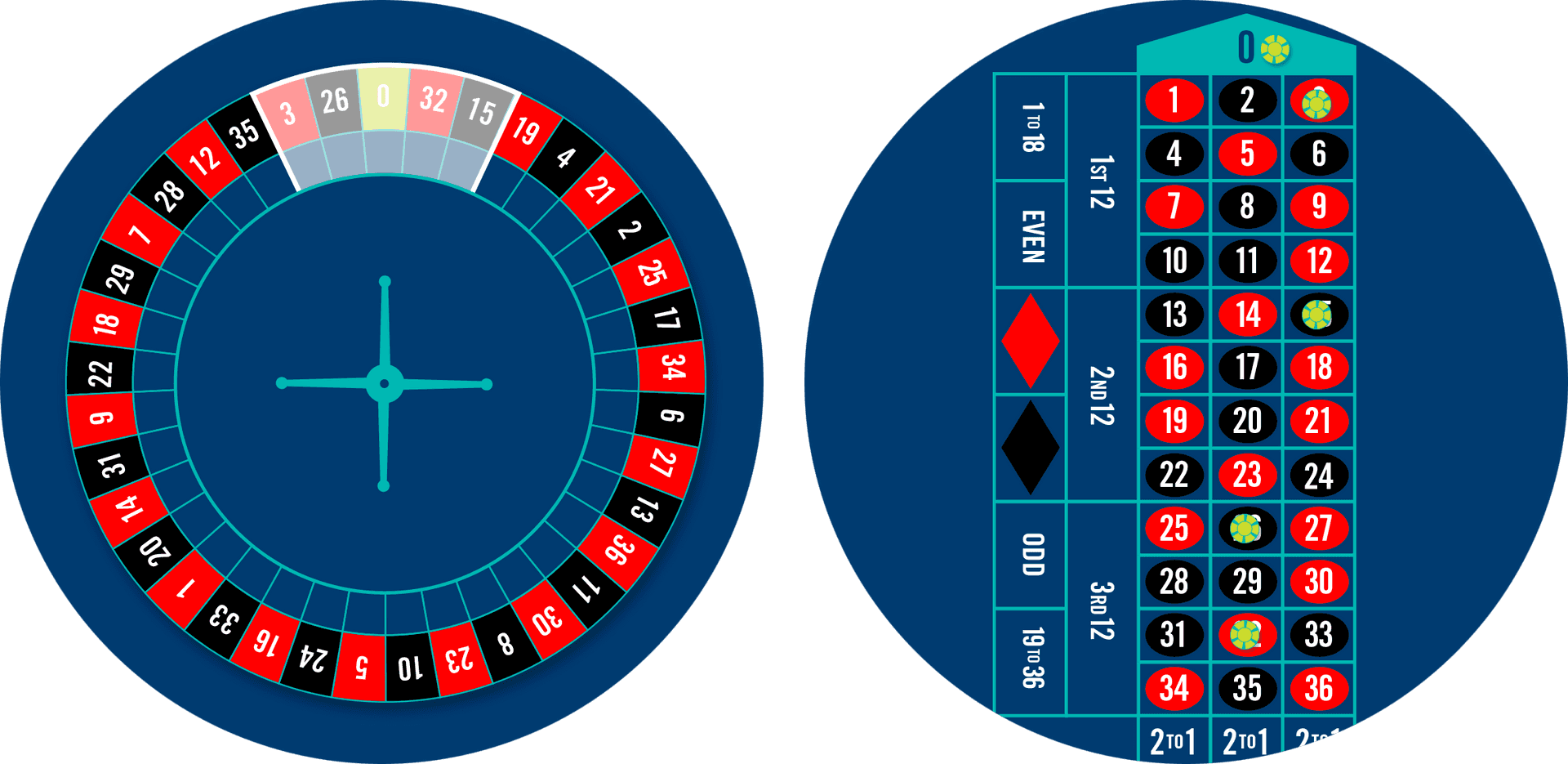
Roulette neighbor bets offer players a way to cover multiple numbers on the wheel that sit next to each other physically. These bets allow players to wager on a chosen number plus the two numbers on each side of it on the roulette wheel, creating a five-number betting pattern. Many players find neighbor bets add excitement to their roulette experience.
These bets work differently from standard roulette wagers because they focus on the wheel layout rather than the table layout. Players can choose any number as the center of their neighbor bet, and the casino will automatically include the adjacent numbers on the wheel. This creates betting opportunities that many casual players never discover.
Understanding neighbor bets opens up new strategic possibilities for roulette players. The mechanics behind these bets, the different types available, and how they work in both online and land-based casinos can help players make informed decisions about when and how to use them effectively.
What Are Roulette Neighbor Bets?
Neighbor bets allow players to wager on a chosen number plus the numbers that sit next to it on the roulette wheel. These bets cover physical wheel positions rather than table layout positions, creating a unique betting strategy that differs from standard roulette wagers.
Definition and Basic Concept
A roulette neighbor bet lets players place a single bet on up to five neighboring numbers on the roulette wheel. The player picks one central number. The bet then covers that number plus two numbers on each side of it on the wheel.
For example, if a player chooses number 17 as the central number, the neighbor bet covers:
- 32 (two positions left)
- 15 (one position left)
- 17 (central number)
- 5 (one position right)
- 22 (two positions right)
Each number gets an equal bet amount. If the total wager is $5, each of the five numbers receives $1.
Players can choose how many neighbors to include in their bet. They might bet on just the central number plus one neighbor on each side. This creates a three-number bet instead of five.
The wheel layout determines which numbers are neighbors. The numbers 1, 2, 3 sit next to each other on the betting table. But they are far apart on the actual wheel.
History and Origin
Neighbor bets started in European casinos during the 1800s. French roulette players wanted to bet on wheel sections instead of individual numbers. This led to the creation of neighbor bets and other sector bets.
The French roulette wheel became the standard for neighbor bets. It has 37 pockets with numbers 0 through 36. The wheel layout puts numbers in a specific order that never changes.
European casinos added special betting areas called the racetrack. This oval section shows the wheel number order. Players can place neighbor bets directly on this area. The racetrack makes it easy to see which numbers are actually next to each other.
American casinos adopted neighbor bets later. But the American wheel has 38 pockets because of the extra 00. This changes some of the neighbor combinations compared to European wheels.
Modern online casinos now offer neighbor bets in most roulette games. Digital interfaces let players select neighbor bets with simple clicks instead of complex chip placement.
Main Differences from Other Bet Types
Neighbor bets only involve straight-up bets on single numbers. Each number in the neighbor group pays 35 to 1 if it wins. Other bet types like red/black or odd/even pay much less but have higher win chances.
Standard bets vs neighbor bets:
| Bet Type | Coverage | Payout | Win Probability |
| Single number | 1 number | 35:1 | 2.7% |
| Neighbor bet (5 numbers) | 5 numbers | 35:1 per number | 13.5% |
| Red/Black | 18 numbers | 1:1 | 48.6% |
| Dozen | 12 numbers | 2:1 | 32.4% |
Neighbor bets follow the physical wheel layout. Regular bets follow the table layout. This means players need to know the actual wheel number order to understand neighbor bets.
Players can place neighbor bets in European roulette with a 13.5% win probability. Corner bets also cover multiple numbers but pay less per number. A corner bet pays 8 to 1 and covers four numbers.
The betting process differs too. Standard bets require chips on the main betting layout. Neighbor bets often use the racetrack section or special dealer calls in live games.
How Roulette Neighbor Bets Work
Neighbor bets in roulette involve placing wagers on a number and its adjacent numbers on the roulette wheel. Players select a central number and automatically bet on the two numbers on each side of it on the wheel, creating a five-number wager with specific betting procedures and payout rates.
Betting Process
Playing a neighbour bet in an online roulette game is easy. Players must first confirm their chosen roulette game supports neighbor betting functionality.
The player selects their central number from the roulette wheel display. Most games show a wheel interface where players can click directly on their chosen number.
After selecting the central number, players choose how many neighbors to include. Standard neighbor bets cover two numbers on each side of the central number, creating a five-number combination.
The betting system automatically places equal wagers on all five numbers. If a player bets $5 on a neighbor combination, the system places $1 on each of the five numbers involved.
Example neighbor bet sequence:
- Central number: 17
- Numbers included: 25, 2, 21, 4, 19
- Total positions: 5 numbers
- Bet distribution: Equal amount on each number
Typical Table Layout and Marking
Neighbor bets appear in a separate section from standard inside and outside bets. The neighbor betting area displays a visual representation of the roulette wheel order.
Numbers appear in their exact wheel sequence rather than numerical order. This layout helps players understand which numbers sit adjacent to each other on the physical wheel.
Many tables use a curved or circular design that mirrors the actual wheel arrangement. Players can easily identify neighboring numbers by looking at the positions directly next to their chosen central number.
Common neighbor bet layouts include:
- Wheel view: Shows all 37 or 38 numbers in wheel order
- Linear track: Displays numbers in a straight line following wheel sequence
- Call bet section: Dedicated area for neighbor and other announced bets
Some tables highlight the selected neighbor group when players hover over or select a central number.
Betting Limits and Payout Structure
Neighbour bets cover a total of five numbers, which means you have five chances to win on a spin. Each number in your neighbour bet is effectively an individual straight-up bet.
Standard neighbor bets require five times the minimum straight-up bet amount. If the table minimum for straight bets is $1, neighbor bets start at $5.
Payout structure for neighbor bets:
- Winning number: 35:1 on the individual number that hits
- Losing numbers: Four other neighbor positions lose their wagers
- Net win calculation: (35 × bet unit) – (4 × bet units) = 31 units profit
Maximum betting limits apply to the total neighbor bet amount. Players cannot exceed table maximums even when spreading bets across five numbers.
The house edge remains identical to standard straight-up bets since neighbor wagers function as multiple individual straight bets placed simultaneously.
Types of Neighbor Bets
Neighbor bets come in different forms that let players cover various numbers around the roulette wheel. The main types include single number neighbors, multiple number combinations, and advanced betting patterns that cover larger wheel sections.
Single Number Neighbor Bets
A single number neighbor bet covers one chosen number plus its immediate neighbors on the roulette wheel. Players typically select 2 neighbors on each side of their main number.
This creates a 5-number bet total. For example, choosing number 17 with 2 neighbors covers numbers 25, 2, 21, 4, and 19 on a European wheel.
The bet requires 5 chips since each number gets its own straight-up wager. Each winning number pays 35:1, but players only win on one number per spin.
Standard neighbor combinations:
- 1 neighbor each side = 3 numbers total
- 2 neighbors each side = 5 numbers total
- 3 neighbors each side = 7 numbers total
Single neighbor bets work best for players who have a favorite number but want better wheel coverage.
Multiple Number Neighbor Bets
Multiple number neighbor bets allow players to select several different numbers and cover neighbors around each one. This strategy spreads risk across various wheel sections.
Players might choose 2-3 different numbers and add neighbors to each selection. The total chip count depends on how many neighbors they select for each number.
Common multiple neighbor patterns include:
- Hot number tracking: Covering neighbors around recently hit numbers
- Section coverage: Selecting numbers from different wheel thirds
- Pattern betting: Choosing numbers based on previous spin results
This approach requires more chips but covers larger portions of the wheel. Players need to track their total bet amount since costs add up quickly.
Multiple neighbor bets suit players who want extensive wheel coverage without committing to fixed call bet patterns.
Advanced Neighbor Bet Variations
Advanced neighbor bets include specialized patterns that cover specific wheel sections. These call bets focus on different areas and use traditional French names.
Voisins du Zéro covers 17 numbers around the zero with 9 chips. This bet includes splits, corners, and trio combinations rather than straight-up bets.
Tiers du Cylindre covers 12 numbers opposite the zero section using 6 split bets. Players need 6 chips total for this combination.
Orphelins cover the remaining 8 numbers not included in Voisins or Tiers. This bet uses 5 chips across splits and straight-up numbers.
| Bet Type | Numbers Covered | Chips Required | Wheel Coverage |
| Voisins du Zéro | 17 | 9 | 45% |
| Tiers du Cylindre | 12 | 6 | 32% |
| Orphelins | 8 | 5 | 22% |
These advanced variations offer different payout structures compared to standard neighbor bets since they use various bet types beyond straight-up wagers.
Roulette Wheels and Neighbor Bets
The physical wheel layout determines which numbers sit next to each other for neighbor betting. European and American wheels have different number arrangements that affect how neighbor bets cover wheel sections.
European Wheel Neighbors
The European roulette wheel contains 37 numbers arranged in a specific order. Numbers 0, 32, 15, 19, 4, 21, 2, 25, 17, 34, 6, 27, 13, 36, 11, 30, 8, 23, 10, 5, 24, 16, 33, 1, 20, 14, 31, 9, 22, 18, 29, 7, 28, 12, 35, 3, 26 appear clockwise around the wheel.
Neighbor bets on European wheels typically cover five consecutive numbers. If a player bets on number 17 and its neighbors, the bet covers 34, 6, 27, 13, and 36.
The single zero sits between numbers 26 and 32. Zero neighbor bets include 26, 0, 32, 15, and 19.
Common neighbor combinations include:
- 0 neighbors: 26, 0, 32, 15, 19
- 17 neighbors: 25, 2, 21, 4, 19
- 22 neighbors: 18, 29, 7, 28, 12
American Wheel Differences
American roulette wheels have 38 numbers with both single zero (0) and double zero (00). The number sequence differs completely from European wheels.
The American wheel order is: 0, 28, 9, 26, 30, 11, 7, 20, 32, 17, 5, 22, 34, 15, 3, 24, 36, 13, 1, 00, 27, 10, 25, 29, 12, 8, 19, 31, 18, 6, 21, 33, 16, 4, 23, 35, 14, 2.
The double zero affects neighbor betting patterns. Zero neighbors include 1, 13, 36, 24, 3. Double zero neighbors cover 27, 10, 25, 29, 12.
Key differences from European wheels:
- Different number sequences
- 38 positions instead of 37
- Two separate zero neighbor bets available
Sector Bets and Wheel Segments
Wheel sector betting covers specific wheel sections beyond simple neighbor bets. These bets target larger groups of adjacent numbers.
Tiers du Cylindre covers 12 numbers opposite the zero: 27, 13, 36, 11, 30, 8, 23, 10, 5, 24, 16, 33. This sector requires six chips placed on specific splits.
Voisins du Zero covers 17 numbers around the zero section. The bet includes 22, 18, 29, 7, 28, 12, 35, 3, 26, 0, 32, 15, 19, 4, 21, 2, 25.
Orphelins cover the remaining eight numbers not included in other sector bets. These numbers appear in two separate wheel sections: 17, 34, 6 and 1, 20, 14, 31, 9.
Players can customize sector sizes by betting on more or fewer adjacent numbers depending on their strategy.
Strategy and Tips for Neighbor Bets
Smart neighbor bet strategy requires selecting numbers based on wheel patterns, setting strict spending limits, and avoiding the trap of chasing losses. Players who master bankroll management and understand common pitfalls can maximize their chances of success.
Choosing the Right Neighbors
Players should focus on numbers that appear in wheel sections with favorable spacing. The most effective approach involves selecting numbers that create good coverage without overlapping bets.
Hot and cold number analysis can guide neighbor bet selection. Hot numbers have appeared frequently in recent spins, while cold numbers haven’t shown up often. Some players prefer neighbor bets on hot numbers believing they’re more likely to continue hitting.
Wheel section targeting works well for experienced players. The zero section (0, 32, 15, 19, 4) and the opposite section (22, 18, 29, 7, 28) offer balanced coverage. These sections split the wheel into manageable betting zones.
Players should avoid betting on neighbors of numbers that recently hit multiple times. The odds reset with each spin, making repeated neighbor bets on the same number less strategic.
Timing matters when choosing neighbors. Fresh wheels or new dealers might show different patterns than established games. Observing 10-15 spins before placing neighbor bets helps identify any wheel tendencies.
Managing Bankroll with Neighbor Bets
Neighbor bets cost five times more than single number bets since they cover five numbers. Players need larger bankrolls to handle this increased stake size effectively.
Set a neighbor bet budget separate from other roulette bets. A good rule is limiting neighbor bets to 20% of the total gambling budget. This prevents these higher-cost bets from draining funds too quickly.
Use a unit betting system for consistency. If the base unit is $5, each neighbor bet costs $25. Players should have at least 20 units ($500) available specifically for neighbor betting sessions.
| Bankroll Size | Recommended Unit | Neighbor Bet Cost | Maximum Bets |
| $200 | $2 | $10 | 10 |
| $500 | $5 | $25 | 10 |
| $1000 | $10 | $50 | 10 |
Track wins and losses separately for neighbor bets. This helps players understand if their neighbor betting strategy is profitable over time. Keep detailed records of which numbers were chosen and their outcomes.
Common Mistakes to Avoid
The biggest mistake is treating neighbor bets as a guaranteed winning system. These bets don’t change the house edge or improve odds beyond covering more numbers per spin.
Chasing losses with bigger neighbor bets destroys bankrolls quickly. When a neighbor bet loses, some players double their next bet thinking they’re “due” for a win. This thinking leads to rapid fund depletion.
Overlapping coverage wastes money unnecessarily. Betting on neighbors of 0 and also neighbors of 32 creates overlap since these numbers share wheel territory. Players pay for the same coverage twice.
Ignoring table limits causes problems when trying to increase bet sizes. Many tables have maximum limits that prevent effective progression systems with neighbor bets.
Poor timing hurts results when players make neighbor bets without observing the wheel first. Understanding roulette neighbor bets requires patience and observation before placing stakes.
Players often make too many neighbor bets in one session. Limiting neighbor bets to 2-3 per session helps maintain focus and prevents emotional decision-making.

Roulette Neighbor Bets in Online Casinos
Online casinos offer convenient access to neighbor betting through digital interfaces and specialized roulette variants. Players can easily place these multi-number bets using visual betting boards and enjoy the feature across desktop and mobile platforms.
Placing Neighbor Bets Online
Most online roulette games feature a dedicated neighbor betting interface. Players typically find a racetrack betting board or call bet section alongside the standard roulette table layout.
The process involves selecting a central number first. Then players choose how many neighboring numbers to include on each side of their chosen number.
Playing a neighbour bet in online roulette requires selecting a roulette version that supports this betting option. Not all online roulette variants include neighbor betting features.
The betting interface shows the roulette wheel layout clearly. Players can click on their desired central number and adjust the neighbor range using simple controls.
Standard neighbor bet options include:
- 2 neighbors (5 total numbers)
- 1 neighbor (3 total numbers)
- Custom neighbor ranges
Each bet placement covers multiple straight-up wagers automatically. The system calculates the total stake needed based on the number of positions covered.
Popular Online Platforms with Neighbor Bets
Leading online casinos integrate neighbor betting into their premium roulette offerings. European and French roulette variants most commonly feature these betting options.
Live dealer roulette games provide the most authentic neighbor betting experience. Professional dealers accept call bets verbally, just like in physical casinos.
Evolution Gaming and Playtech offer comprehensive neighbor betting interfaces. Their roulette tables include visual racetrack layouts for easy bet placement.
Many platforms label these features as:
- Neighbor bets
- Call bets
- Announced bets
- French bets
Premium roulette variants typically cost more per spin. However, they provide access to the full range of neighbor betting strategies.
Budget-friendly versions may limit neighbor betting options. Players should check game features before committing to extended play sessions.
Mobile Roulette and Neighbor Bets
Mobile roulette apps successfully adapt neighbor betting for touchscreen devices. The racetrack interface works well with tap-and-drag gestures.
Smartphone screens display simplified neighbor betting controls. Players can easily select central numbers and adjust neighbor ranges using intuitive touch controls.
Key mobile features include:
- One-touch neighbor selection
- Visual bet confirmation
- Quick betting shortcuts
- Landscape mode optimization
Tablet devices offer more screen space for detailed racetrack displays. The larger interface makes complex neighbor betting strategies easier to manage.
Mobile live dealer games maintain full neighbor betting functionality. Players can place these bets through chat commands or dedicated mobile interfaces.
Connection quality affects live neighbor betting performance. Stable internet ensures smooth bet placement and reduces timing issues during live spins.
Roulette Neighbor Bets in Land-Based Casinos
Players must announce neighbor bets verbally to dealers in physical casinos since the racetrack betting area sits next to the croupier. Not every roulette table offers this betting option, and casino-specific rules may vary.
Finding Tables with Neighbor Betting
Most UK casinos feature roulette tables with racetracks positioned next to the dealer. Players should look for the oval-shaped betting track that mirrors the wheel’s number sequence.
Key indicators of neighbor betting availability:
- Visible racetrack betting area on the table layout
- Dealers trained to handle call bets
- European or French roulette wheels (not American)
Some casinos only offer neighbor betting at higher-limit tables. Players should ask floor staff which tables accept these bets before sitting down.
Smaller casinos may not have neighbors betting at all tables. Weekend and evening shifts typically have more experienced dealers comfortable with call bets.
Differences in Rules and Etiquette
Players must announce neighbor bets verbally to the dealer rather than placing chips themselves. The dealer handles all chip placement on the racetrack area.
Proper betting procedure:
- State the center number clearly
- Specify the bet amount
- Wait for dealer confirmation
- Keep hands away from the racetrack area
Dealers require the total bet amount upfront before placing chips. For a standard 5-number neighbor bet, players need five units of their chosen denomination.
Some casinos require minimum bets higher than standard inside bets. Players should clarify betting limits before making neighbor wagers.
Tipping etiquette suggests including dealers when neighbor bets win, especially after multiple successful calls.
Mathematics Behind Neighbor Bets
Neighbor bets follow the same mathematical principles as standard roulette wagers but cover multiple numbers simultaneously. The house edge remains consistent with single-zero European roulette at 2.7%, while the probability calculations must account for five numbers instead of one.
House Edge and Probabilities
The house edge for neighbor bets remains identical to standard single-number bets in European roulette. Each five-number neighbor combination faces a 2.7% house advantage.
Probability Breakdown:
- Winning chance: 5/37 = 13.51%
- Losing chance: 32/37 = 86.49%
- Payout odds: 35:1 per winning number
Players betting one unit on each of the five numbers invest five units total. When one number hits, they receive 36 units back (35:1 plus original stake). This creates a net win of 31 units.
The expected value calculation shows: (5/37 × 31) – (32/37 × 5) = -0.135 units per spin. This translates to the standard 2.7% house edge.
Combination Analysis
A standard neighbor bet covers exactly five consecutive numbers on the wheel. Players can choose any central number with two numbers on each side.
Common neighbor combinations include:
- 0 and neighbors: 3, 26, 0, 32, 15
- 17 and neighbors: 25, 2, 21, 4, 19
- 22 and neighbors: 18, 29, 7, 28, 12
Some online casinos allow expanded neighbor bets covering up to 19 numbers (nine on each side). These larger combinations increase winning probability to 19/37 = 51.35% but require proportionally higher stakes.
The mathematical advantage remains unchanged regardless of combination size. Each number maintains its 1/37 probability and 35:1 payout structure.
Glossary of Terms Related to Neighbor Bets
Neighbors Bet – A wager that covers one main number and the numbers directly next to it on the roulette wheel. This type of bet involves a group of numbers positioned adjacent to each other on the wheel.
Adjacent Numbers – The numbers that sit next to each other on the physical roulette wheel. These numbers appear in different positions than they do on the betting layout.
Wheel Layout – The physical arrangement of numbers on the spinning roulette wheel. This differs from the table layout where players place their chips.
Five-Number Bet – The most common neighbor bet format. It covers the chosen number plus two numbers on each side of it on the wheel.
| Term | Definition |
| Main Number | The central number chosen for the neighbor bet |
| Call Bet | A verbal bet announcement often used for neighbor bets |
| Racetrack | The oval betting area that shows wheel number order |
House Edge – The mathematical advantage the casino holds over players. Neighbor bets have the same 2.63% edge as other single number bets.
Payout – Each number in a neighbor bet pays 35-to-1 if it wins. Players must place separate chips on each number covered.
European Wheel – The single-zero wheel where neighbor bets work best. The wheel contains 37 numbers total.
Frequently Asked Questions
Neighbor bets involve placing wagers on five consecutive numbers on the roulette wheel, with specific payout structures and odds. These bets work differently between European and American roulette variations due to wheel layout differences.
How do payouts work for neighbor bets in roulette?
Neighbor bets pay out as individual straight-up bets for each number covered. Each winning number pays 35:1 odds.
Players place five separate bets when making a neighbors bet covering multiple numbers. If one number hits, they receive 35 times their unit stake for that number.
The total payout depends on which specific number wins within the five-number section. Players lose their stakes on the four numbers that don’t hit.
What numbers are included in a typical neighbors bet?
A standard neighbors bet covers five consecutive numbers on the roulette wheel. The player selects one central number plus the two numbers on each side of it.
For example, betting on number 17 and its neighbors covers 25, 2, 21, 4, and 19. These numbers sit next to each other on the European roulette wheel.
Online roulette tables allow players to choose how many neighbors they want to cover. Some games offer options from one number on each side up to nine neighbors.
Can you explain the difference between European and American roulette neighbor bets?
European roulette neighbor bets offer better odds because the wheel has only one zero. This gives players a higher chance of winning compared to American roulette.
American roulette neighbor bets provide less favorable odds due to the extra double zero on the wheel. The additional zero increases the house edge.
The wheel layouts differ between versions, so the neighboring number sequences change. Players must understand which numbers sit next to each other on their specific roulette variation.
How can one implement the Neighbours bet strategy effectively in roulette gameplay?
Players should choose their central number based on recent wheel patterns or hot numbers. They can track which sections of the wheel have been hitting frequently.
Having a strategy in mind before playing helps players use neighbor bets more effectively. Some players focus on specific wheel sections that show repeated activity.
Bankroll management remains crucial when using neighbor bets. Players risk five units per spin, so they need adequate funds to sustain multiple rounds.
What are the odds of winning with a neighbors bet in roulette?
European roulette neighbor bets have a 5 in 37 chance of winning, or about 13.5%. This gives the house an edge of approximately 2.7%.
American roulette neighbor bets face 5 in 38 odds, roughly 13.2% chance of winning. The house edge increases to about 5.26% due to the double zero.
These odds reflect covering five numbers out of the total numbers on each wheel type. The probability stays the same for each spin regardless of previous results.
How does one calculate potential winnings from a neighbors bet in roulette?
Players multiply their unit stake by 35 to find their gross winnings if one number hits. They then subtract the total amount wagered across all five positions.
For a $1 unit stake neighbors bet, a winning number pays $35. The net profit equals $35 minus the $5 total wagered, resulting in $30 profit.
Calculating payouts becomes straightforward once players understand the 35:1 payout structure. The key involves remembering to subtract the losing bets from the winning amount.